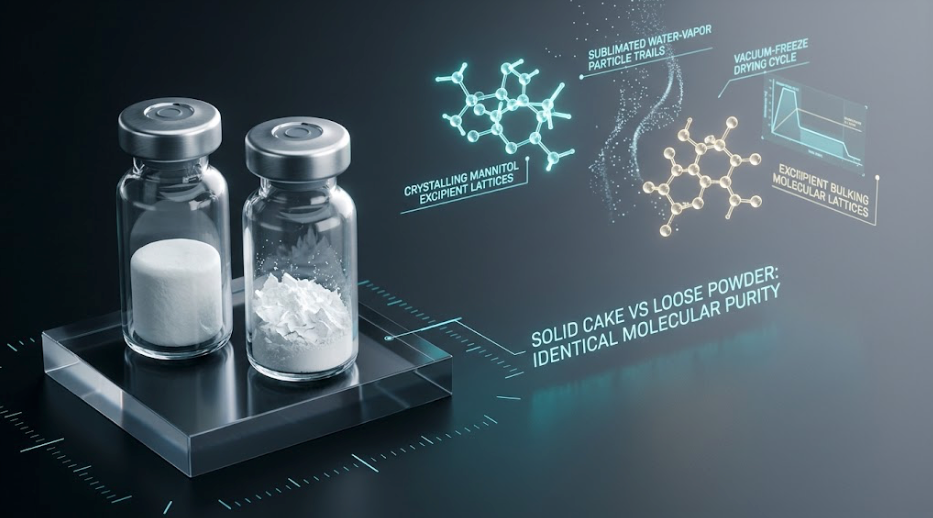
Lyophilized Peptide Cake vs Powder: Is It Degraded?
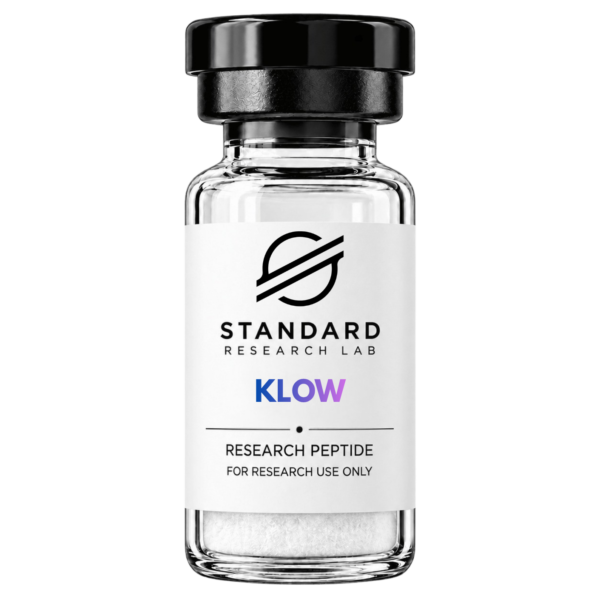
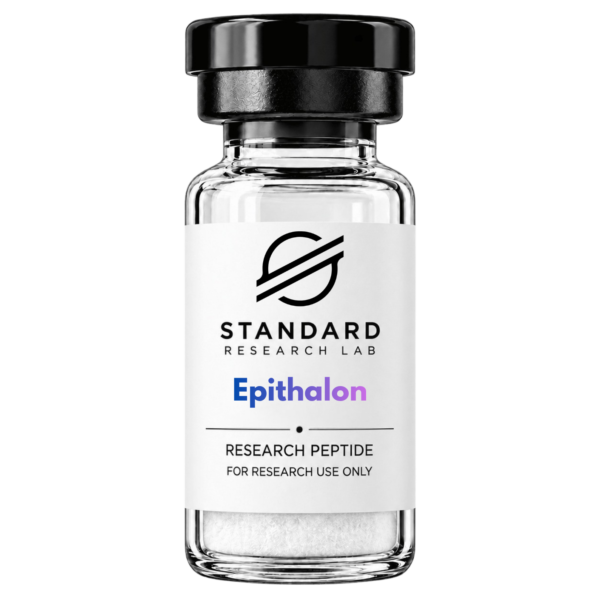
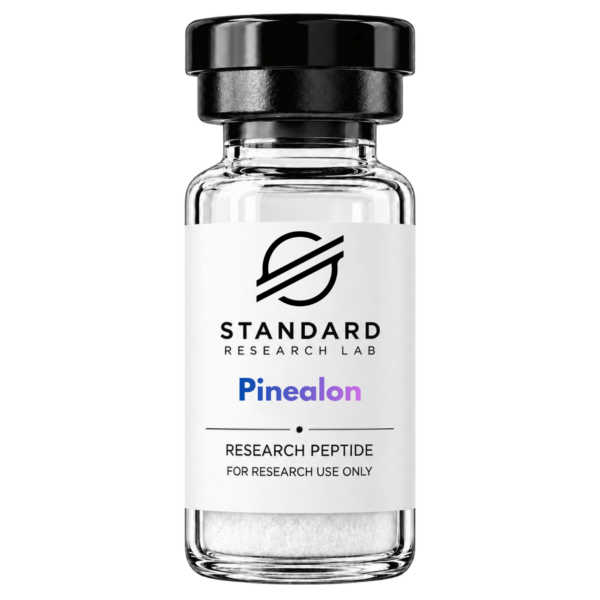
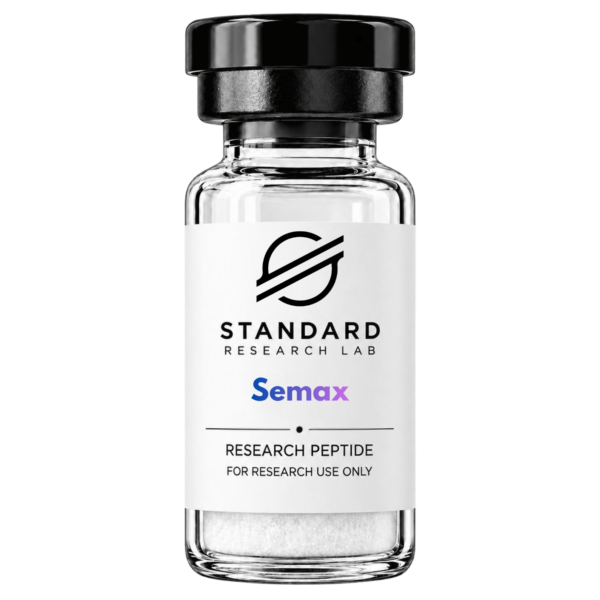
Evaluating a lyophilized peptide cake vs powder is one of the most frequent visual checkpoints encountered during bench inspections. A researcher unboxes a shipment expecting a uniform, cylindrical white puck resting neatly at the bottom of the glass. Instead, they find loose, snow-like flakes, a cracked tablet, or a powdery residue clinging to the vial walls.
The immediate reaction is often concern over product legitimacy or thermal degradation. Many assume that a broken or powdery structure indicates damaged peptide bonds or a counterfeit batch. However, physical appearance alone rarely tells the whole story. Below, we examine the science behind the lyophilized peptide cake vs powder debate, why puck morphology varies, and how to verify chemical integrity accurately.
Quick Summary: Lyophilized Peptide Cake vs. Powder at a Glance
Quick Answer: A fractured cake or loose powder is completely normal and does not indicate chemical degradation. Vials contain tiny amounts of active peptide mixed with bulking excipients like mannitol or trehalose; transit vibrations frequently shatter these brittle sugar lattices. Purity is determined by HPLC and mass spectrometry, not visual appearance.
| Cake State | Physical Indicator | Scientific Significance |
|---|---|---|
| Intact Solid Cake | Uniform, cylindrical porous plug resting on the vial floor. | Standard outcome with high-mannitol crystalline formulations; optimal cosmetic presentation. |
| Fractured or Loose Powder | Clean, dry white powder, flakes, or shattered pieces that move freely when tilted. | Structurally fractured during shipping or formulated with amorphous sugars; fully viable with no loss of potency. |
| Micro-Collapse (Shrinkage) | Cake pulled slightly away from glass edges; small cracks across the top surface. | Minor thermal shift during secondary drying; retains low residual moisture and high chemical stability. |
| Meltback / Gumming (Compromised) | Sticky, gummy, translucent syrup or yellowish residue stuck flat to the glass. | Critical failure: moisture contamination or vacuum loss caused premature dissolution; high degradation risk. |
What Creates the Solid "Puck"? (The Role of Bulking Agents)
To understand why pucks form or crumble, consider what is physically inside the glass. A typical research vial contains 5 mg or 10 mg of active material. In reality, 5 milligrams of pure peptide occupies roughly the volume of a single grain of coarse table salt. If packaged alone, this microscopic speck would be nearly invisible on the vial floor.
Therefore, manufacturers add inert, non-reactive excipients—known as bulking agents or lyoprotectants—to stabilize the formulation. Common bulking excipients include:
- Mannitol: The gold standard in pharmaceutical freeze-drying. Mannitol readily crystallizes during freezing, forming an elegant, rigid, crystalline lattice that supports a clean, upright cake structure.
- Trehalose and Sucrose: Amorphous sugars commonly chosen to protect delicate secondary structures. Because they solidify into a glassy, non-crystalline state rather than rigid crystals, they yield softer, more fragile cakes.
- Glycine: A crystalline co-bulking agent often paired with sugars to prevent collapse and speed up sublimation rates.
As documented in research from the National Center for Biotechnology Information (NCBI) on lyophilization excipient design, the physical structure you see is essentially a sugar matrix holding dispersed peptide molecules. The shape of the puck reflects the excipient blend rather than the peptide itself.
Why Does a Cake Break into Loose Powder?
If a solid cake leaves the manufacturing line intact, several routine physical mechanisms can cause it to break down into loose powder before arriving at your bench:
- Transit Shock and Vibration: Freeze-dried cakes are porous and brittle, typically boasting a sponge-like porosity over 90%. During shipping, parcel sorting, and air freight vibration, the delicate crystalline structure can simply fracture, crumbling into loose powder or small fragments.
- Excipient Ratio Variations: Formulations that use lower ratios of mannitol—or skip bulking agents entirely for specialized analytical assays—naturally collapse into loose powder or a glassy film upon final moisture removal.
- Differential Sublimation Rates: Variations in chamber shelf temperatures or minor pressure differentials can alter sublimation dynamics. This causes minor aesthetic variations across vials from the exact same manufacturing run.
Crucially, mechanical breakage does not alter chemical bonds. A fractured sugar lattice containing BPC-157, TB-500, or GHK-Cu Copper Tripeptide is chemically identical to an unbroken, picture-perfect cake.
Does Powder Mean Degraded or Counterfeit Material?
The short answer is: No. A loose or powdery appearance is not an indicator of degradation, reduced purity, or counterfeit synthesis.
Scientific literature on protein biophysics and solid-state stability confirms that physical cake morphology does not correlate with molecular purity. Purity is determined by high-performance liquid chromatography (HPLC) and mass spectrometry (MS), which measure covalent structure and molecular weight. A broken cake with 99% purity is biologically superior to a firm, pristine cake containing 85% pure material.
How to Accurately Assess Vial Viability
Rather than judging quality by the appearance of the dry puck, researchers rely on practical bench checks to confirm material integrity (detailed in our Beginner's Guide to Peptides):
- The Vacuum Check: When inserting a syringe needle, observe the pressure differential (learn more in our guide on Peptide Reconstitution Vacuum). A brisk negative pull indicates an airtight hermetic seal that successfully protected the lyophilized matrix from atmospheric humidity.
- Solvation Speed: Introduce sterile Bacteriostatic Water smoothly along the glass wall using an EasyTouch 31G Syringe. High-quality lyophilized peptides typically dissolve in seconds with minimal orbital swirling (review steps in How to Reconstitute Peptides).
- Solution Clarity: Once reconstituted, inspect the liquid against direct light. The solution should be water-clear and free of suspended particles, cloudiness, or phase separation.
- Third-Party Analytical Testing: Always verify batch quality through independent HPLC and MS testing reports rather than relying on visual inspection alone (see How to Read a Peptide COA).
Storage Best Practices for Dry Peptides
Regardless of whether your compound arrives as a solid cake or loose powder, proper storage ensures extended shelf life:
- Keep Unopened Vials Cold: Store lyophilized peptides at -20°C for long-term stability, or at 2°C to 8°C (36°F to 46°F) for short-term research windows.
- Protect from Light: UV radiation accelerates photodegradation. Keep vials housed inside a dedicated Peptide Vial Case or Compact Travel Case to block ambient light exposure.
- Prevent Condensation: When retrieving vials from freezer storage, allow them to reach room temperature before piercing the septum. Cold glass exposed to warm air pulls moisture inward, which can initiate premature aqueous hydrolysis.
In conclusion, when evaluating a lyophilized peptide cake vs powder, visual morphology alone does not dictate quality. Unless the material displays gummy meltback or discoloration from moisture ingress, dry loose powder possesses the exact same molecular potency, stability, and research efficacy as a solid cake. Always verify concentrations with our Peptide Calculator and manage your research schedule inside the Protocol Tracker Tool.
← View all peptide guides, research & protocols in our Blog Archive