
Compact Travel Case Benefits: Modular Packing and Organized Supplies
Plan a peptide travel-case workflow that separates dry supplies from vial organization and distinguishes physical protection from temperature control.
Read more →
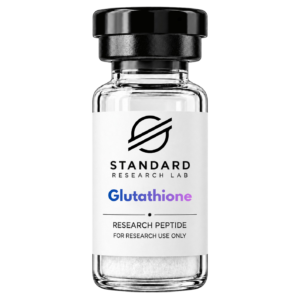
Plan a peptide travel-case workflow that separates dry supplies from vial organization and distinguishes physical protection from temperature control.
Read more →Organize a ten-slot vial case with clear labels, lot records and position tracking while keeping storage conditions separate from physical fit.
Read more →
Learn why 3 mL capacity does not establish pen-cartridge compatibility and which dimensions, closure materials and records deserve attention.
Read more →
Understand why pen clicks need device-specific volume information and why cartridge fit, concentration and dial settings must be kept separate.
Read more →
Learn why bacteriostatic water’s preservative does not establish peptide stability and what formulation-specific compatibility data should include.
Read more →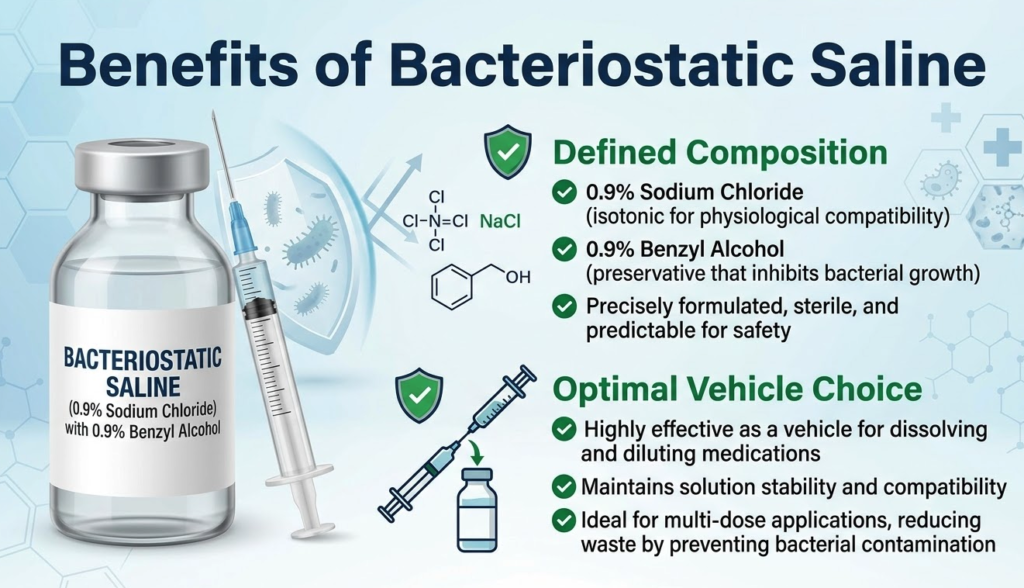
Compare bacteriostatic saline with water, understand salt and preservative percentages and learn why isotonicity does not guarantee compatibility.
Read more →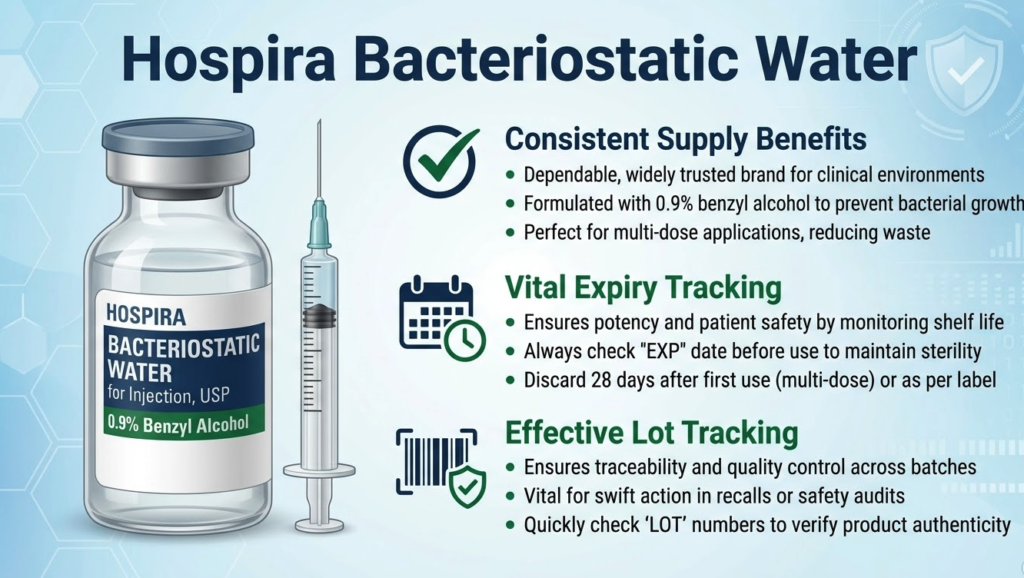
Learn how to distinguish manufacturer expiry, first-access dating and lot tracking for Hospira-labelled bacteriostatic water in your inventory.
Read more →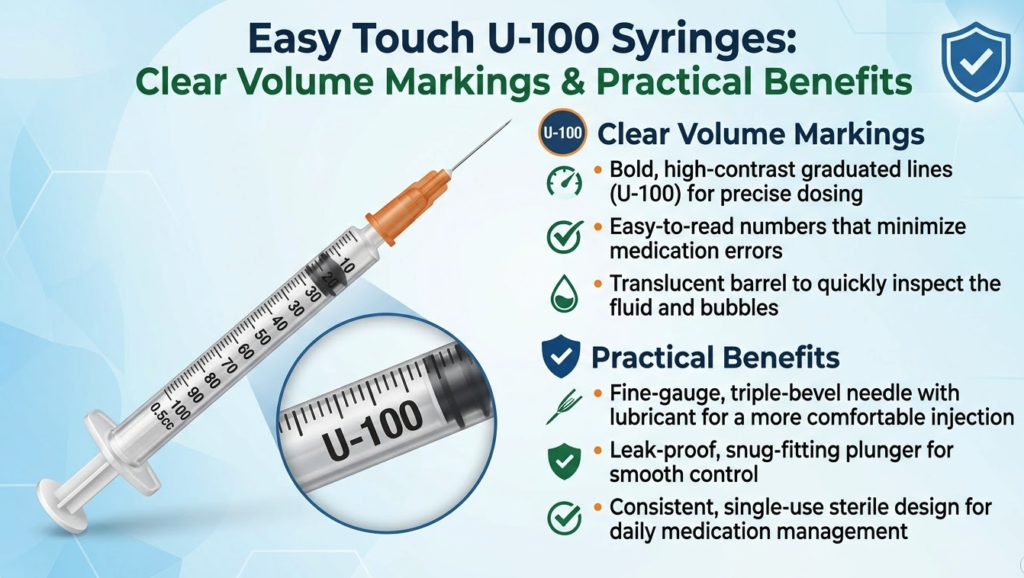
Understand U-100 syringe markings, 50-unit capacity and why gauge, volume and milligrams describe different quantities in a measurement record.
Read more →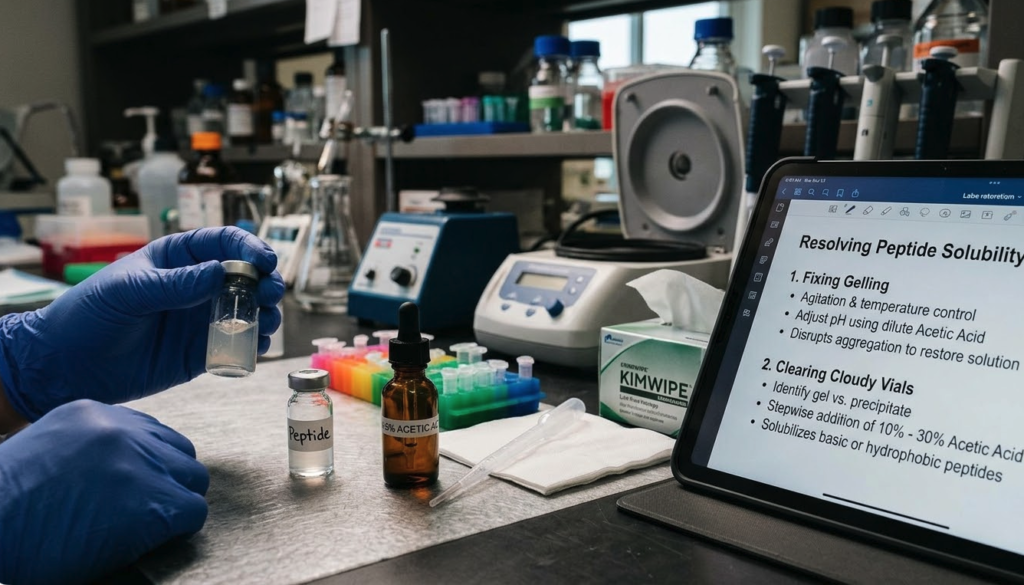
Learn where acetic acid fits in laboratory peptide solubility work, why sequence and pH matter and why dissolution does not prove stability.
Read more →
Understand eloralintide’s selective amylin research, how its mechanism differs from GLP-1 activity and what clinical comparisons must account for.
Read more →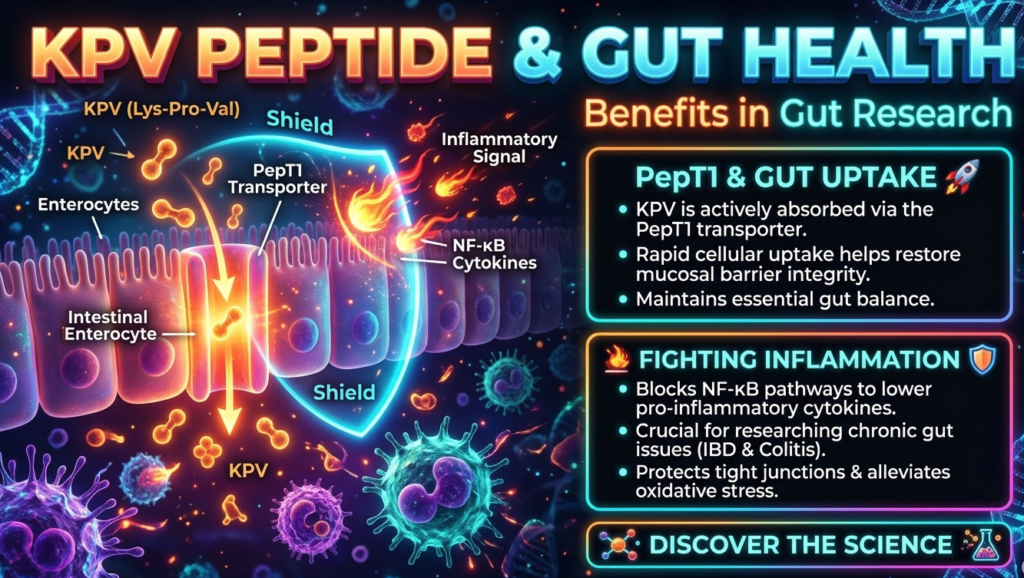
Explore KPV and PepT1 gut research, including intestinal uptake and why a different route or carrier changes how an experiment is interpreted.
Read more →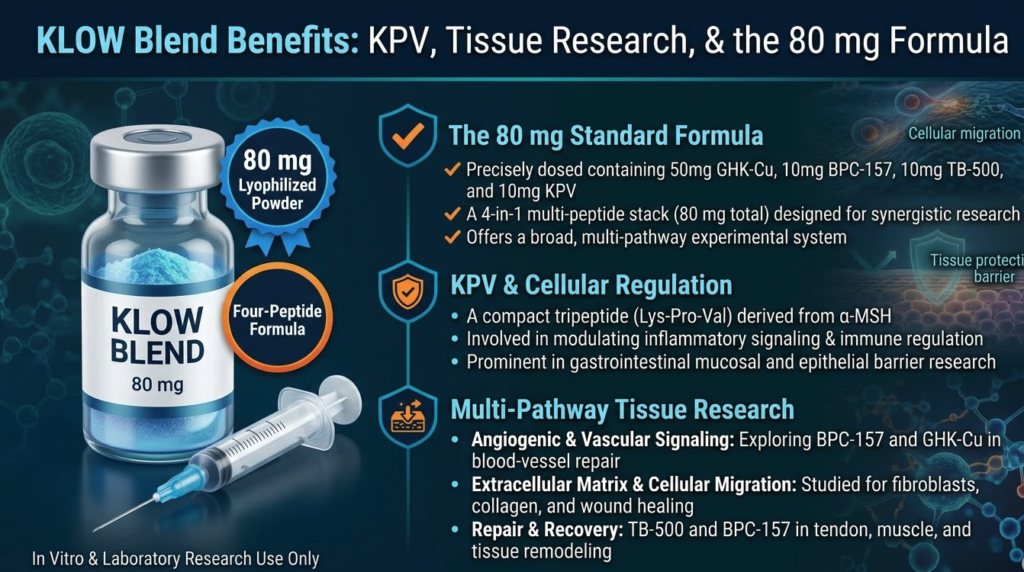
Learn what KPV adds to the KLOW research question, how the 80 mg recipe differs from GLOW and why single-ingredient findings need context.
Read more →
Understand GLOW’s 50:10:10 formula, how total and component concentrations differ and why a blend recipe does not by itself establish synergy.
Read more →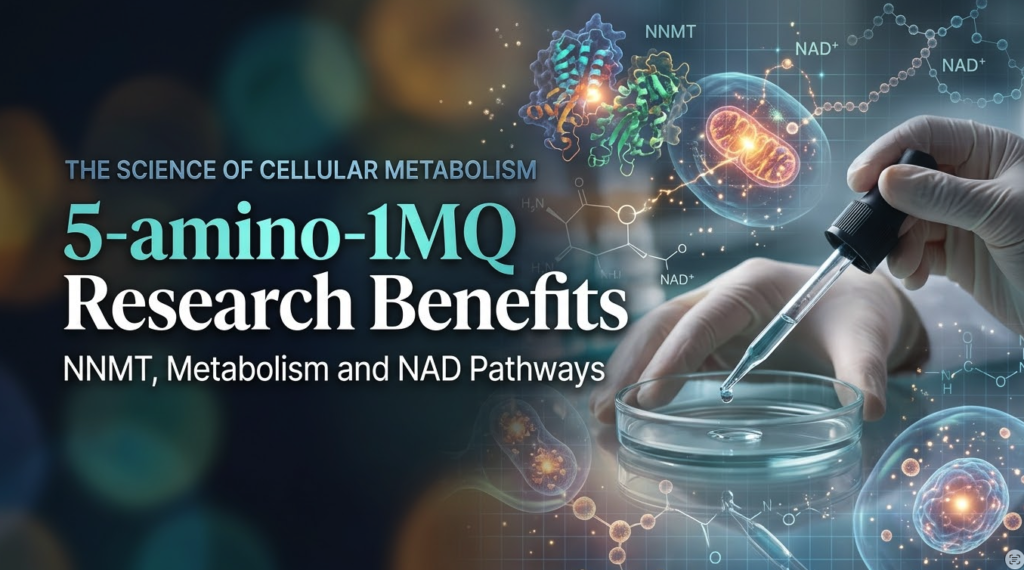
Explore 5-amino-1MQ and NNMT inhibition, why it is not a peptide or an NAD supplement and what metabolic animal research actually establishes.
Read more →
Understand CJC-1295 DAC versus no-DAC terminology, why the evidence differs and what a component-level label should show for an ipamorelin blend.
Read more →
Learn what selective growth-hormone release means in ipamorelin research and why animal hormone findings do not establish every human outcome.
Read more →
Explore MOTS-c exercise research and see why a peptide response during human exercise differs from administering the compound in animal studies.
Read more →
Understand the difference between visceral fat, liver fat and body weight in tesamorelin research, including why trial populations matter.
Read more →
Learn how to read a Wolverine blend label, separate total from component content and assess what a certificate of analysis actually establishes.
Read more →
Explore GHK-Cu skin-matrix research and learn why collagen, elastin, hydration and finished-product results need distinct supporting evidence.
Read more →
A Canadian-owned, B.C. based supplier of certified research peptides. Building blocks for breakthroughs.

Standard Labs sells research peptides exclusively to qualified researchers and laboratories for in vitro and laboratory use. Please confirm before continuing.
By proceeding you affirm the statements above are true. Products are not for human or veterinary use, not for use in diagnostic procedures, and have not been evaluated by the U.S. Food and Drug Administration.